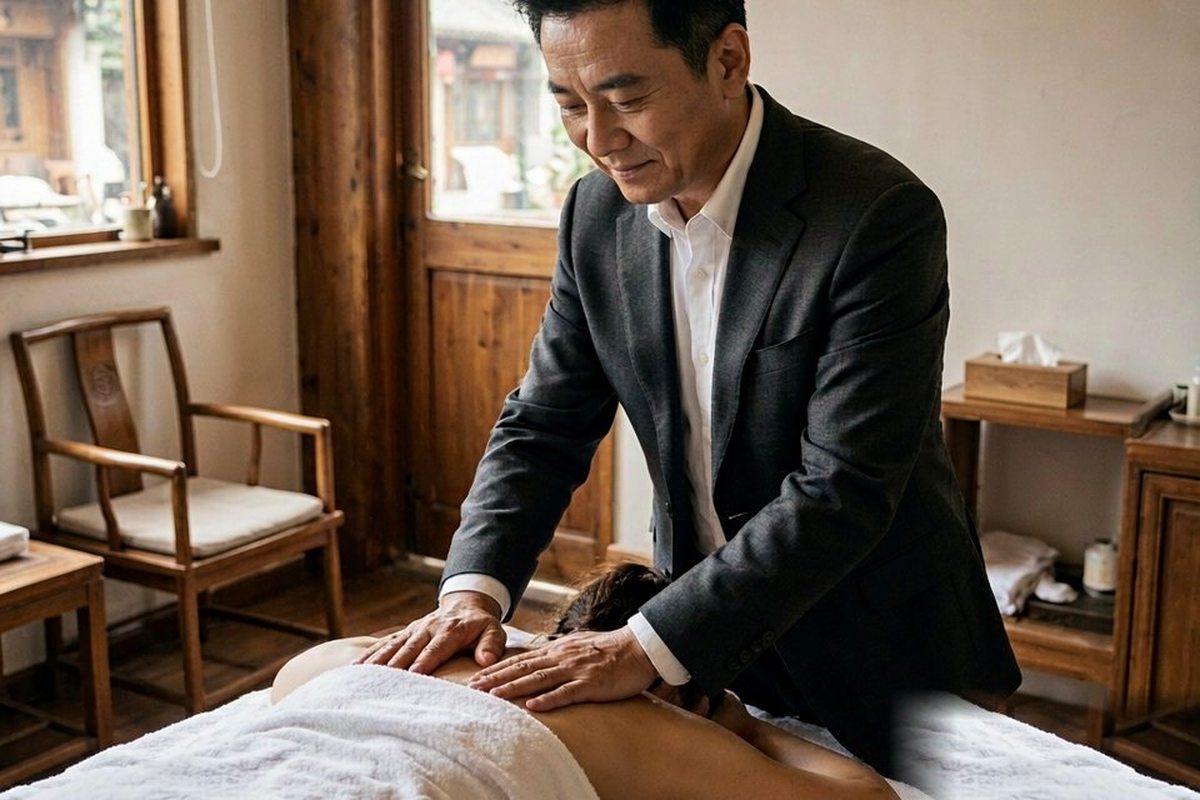
Most travel health issues in China are small: a stomach upset, a cold, a blister from too much walking. Knowing where to go turns a worrying afternoon into a short errand.
01Pack the Boring Things
Bring your regular prescriptions in original packaging with a copy of the prescription, plus a basic kit: rehydration salts, plasters, antihistamine and any medication you know you react well to.
Check whether any of your medicines are restricted before you travel, and keep them in hand luggage with a doctor's note.
- Original packaging and a prescription copy
- A small first-aid and stomach kit
- A doctor's note for injected or controlled medicines

02Pharmacies and Minor Issues
Chain pharmacies are common in cities and can help with minor ailments, but staff may not speak much English. Show the Chinese name of the active ingredient rather than a brand name from home.
If a symptom is persistent, feverish or unusual, go to a clinic rather than self-treating.
- Write down the active ingredient in Chinese
- Ask a local companion to help describe symptoms
- Keep receipts for insurance claims
03Clinics, Registration and Interpreters
Larger cities have international clinics and public hospital VIP or international departments that handle foreign passports and can often issue English documentation. Bring your passport, insurance details and a payment method that works. For anything involving diagnosis, consent or specialist terms, request an interpreter. Misunderstanding a dosage is not a risk worth taking.
- Passport, insurance card and a working wallet
- Ask for English-language medical documentation
- Use an interpreter for diagnosis and dosage discussions
FAQFrequently Asked Questions
Do I need travel insurance?
Strongly recommended. Check that it covers outpatient visits in China and whether the clinic can bill the insurer directly or you need to claim afterwards.
Can I buy my usual medicine in China?
Sometimes, under a different brand or active ingredient name. Bring enough for the trip and a prescription copy rather than relying on finding it.
What if I need emergency help?
Ask your hotel or a local contact for the nearest appropriate facility, and keep your passport and insurance hotline number accessible. Emergency numbers in China are 120 for an ambulance and 110 for police.
Ready to find the right person?
Tell us your city, dates and what you need. We'll shortlist 2–3 providers for you to compare.
SRCSources & last reviewed
Rules on payments, entry, transport and health change. This guide was last reviewed on against the official references below. Check the latest guidance before you travel; this article is general travel information, not legal or medical advice.
- National Health Commission — Health-system and clinic guidance
- National Medical Products Administration — Medicine and pharmacy regulation
Written and reviewed by the SinoCompanion Editorial Team. See how we research, verify and update these guides. Questions or corrections: [email protected].
This article offers general travel advice. For matters involving health, qualifications or contracts, rely on professional advice and a written agreement between both parties.